
Do you feel like no one values you or respects you? Do you take perfectionism to the extreme to gain approval? Does resentment never leave you? All of these may relate to the wound of injustice; this is an emotional wound that greatly affects your relationship with yourself and others.
Among other effects, this trauma, which begins in childhood, gives rise to feelings of inferiority, worthlessness, and the belief that a person will never receive what they deserve, no matter how hard they try. We invite you to discover what causes this emotional wound and how to heal it.
What is the Wound of Injustice?
The wound of injustice serves as a metaphor to describe the deep emotional pain a child develops when they are treated unequally, asked to do more than they can give, feel their worth is not appreciated, and have a distant, cold, and superficial relationship with their parents. This is not a clinical diagnosis and is not a structure validated by science.
This theory comes from the work of self-help author Lise Bourbeau. Bourbeau notes that children often become active in this wound starting from the age of 4, particularly with same-sex parents; however, there is no empirical support to prove this. Nevertheless, Bourbeau states that from that moment on, children begin to dissociate their emotions to protect themselves from what is happening around them. They even wear a hard mask to show that everything is fine and not express what they truly feel.
The wound arises from constant comparisons with siblings or friends, harshness, favoritism among children, not recognizing their own achievements, always prioritizing family members, or expectations that the child struggles to meet.
How Does a Person with This Trauma Behave?
There are specific signs or indicators exhibited by adults who experienced injustice in their childhood. These behaviors can affect both the person's well-being and their relationships with others. Here we have excessive order, issues accepting others' opinions, coldness, and other similar attitudes:
- Resentment.
- Perfectionism.
- Low self-esteem.
- Excessive self-criticism.
- Defiance against authority.
- Denying their problems.
- Distrust towards others.
- Not valuing oneself and not being appreciated for what they do.
These traits alone do not determine that injustice was experienced in childhood, that a harsh parenting style was adopted, or that they are specific indicators of such trauma. However, when they come together, they may be related.
Additionally, it is important to note that these wounds are not only painful but also, according to some analyses, are close to the effects of child abuse or neglect; for example, conditions such as trauma, anxiety, insomnia, depression, and post-traumatic stress disorder are explained in an article titled Organizational Psychology Review.
How Do We Heal the Wound of Injustice?
The first step in healing an injustice experienced in childhood is to identify its symptoms. For this, you need to make peace with yourself, be aware of your strengths, needs, and worth, and let go of the idea of needing approval from others. You can also apply these suggestions to alleviate the pain stemming from such an emotional wound:
Accept Your Pain
This does not mean you have to live with it forever; you can transform it. See the harm and understand it as part of your experience. The next step is to close the wound with self-compassion and self-understanding; these are qualities you will develop for yourself, not for others.
Let Go of Resentments
Yes, you may feel angry at those who caused your wound, but letting go of resentment is a step towards healing and living in peace. It is necessary to forgive by understanding that others did what they could with what they knew; they may have acted from their own wounds. And no, this is not an excuse; it is about freeing yourself from the feeling of resentment.
Build Healthy Relationships
Work on authenticating your emotional connections and creating relationships that are not surrounded by fear. For this, learn to delegate, avoid excessive perfectionism, and be kind and tolerant with yourself. You will see how all of this reflects on your relationships.
Enjoy the Present Moment
Staying stuck in the past keeps the wound alive. Enjoy today, be grateful for your health, work, friends, and the opportunity to do what you love. Appreciate the value of being here and now. By practicing Mindfulness, you can learn the value of those moments you deserve.
Don't Hide Your Emotional Wounds, Own Them
It is crucial to address the wound of injustice and not expect it to heal on its own; because this increases the likelihood of the person re-experiencing any situation that triggers their traumas. As a result, the person will always wear a hard mask to hide what they feel and will find it difficult to show their true self.
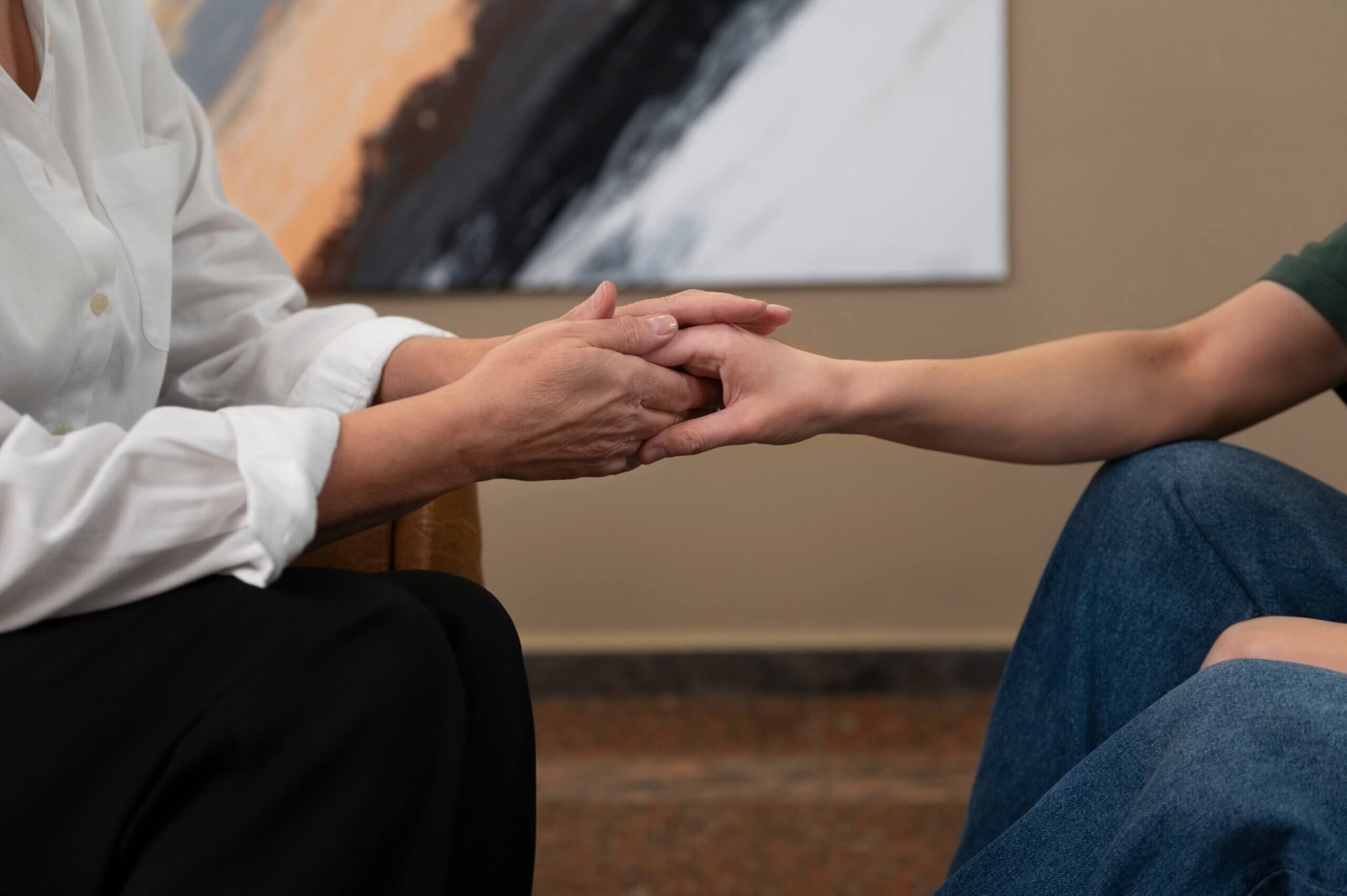
Psychological support is very important throughout the process; therapy works on acceptance, and you learn to validate your experiences, as well as develop coping skills. The goal is to remove the armor you grew up with, rediscover who you are and what you deserve, and allow yourself the opportunity to be vulnerable. There is nothing wrong with that; try it so you can move forward without the burden of the past.






































Comments
(10 Comments)