
Who says pain and pleasure cannot coexist? While a kiss or a caress may be enough for some, for others, what excites them are bites, scratches, slaps, or power games. At the intersection of submission and dominance lies the meaning of sadomasochism, expressing a sexual practice filled with curiosity and prejudices.
The term arises from the combination of two drives: dominance, which is related to the pleasure of controlling; and masochism, which is connected to the pleasure of being controlled. However, away from the violence that is often confused with it, this is a consensual erotic dynamic that can be an intense source of pleasure in exploring boundaries.
What Does Sadomasochism Mean?
In popular belief, sadomasochism is thought to describe those who enjoy being beaten during sexual intercourse. However, in reality, this term describes erotic practices where pleasure arises from the consensual exchange of power, submission, dominance, and even pain and humiliation.
Psychiatrist Richard von Krafft-Ebing introduced the terms "sadism" and "masochism" in his work Psychopathia Sexualis (1886). These ideas were inspired by the works of the famous writer Marquis de Sade, who discovered that control could turn into pleasure, and Leopold von Sacher-Masoch, who described submission as a source of excitement and desire.
Sadomasochism is part of the BDSM universe, which includes bondage and dominance games, always with respect for consent and boundaries. Therefore, participants decide what they are willing to do and what they say no to, and they use safe words to stop when they feel uncomfortable.
Although RAE defines sadomasochism as "a sexual perversion that enjoys humiliation and giving and receiving pain," it is only considered pathological when it affects individuals' lives or causes distress.
Desire Chemistry: When Does Pain Turn into Pleasure?
Behind sadomasochism lies a powerful neurochemical and emotional component that transforms these experiences into sincere and intense acts of pleasure. According to a study published in The Journal of Sex Research, this stems from the brain's ability to reinterpret pain as pleasure in an erotic context.
In this way, the release of endorphins, dopamine, and neurotransmitters reduces the sensation of pain and transforms it into excitement and pleasure.
At the same time, trust and connection with the partner can enhance the BDSM experience. Research experts have stated, "In this context, the experience of pain can create altered states of consciousness similar to those occurring during careful meditation."
Why Does Sadomasochism Attract Some People More Than Others?
For many, sadomasochism is a way to explore their sexuality and have experiences that test their limits and they experience unconventional feelings.
An article published in the academic journal Acta Psychologica emphasized that individuals with dark personality traits (narcissism, Machiavellianism, psychopathy, and sadism) are more interested in sadomasochism. However, this does not mean that everyone practicing BDSM possesses these traits.
Additionally, sexuality, age, and the desire to experience new things are associated with sadomasochism. This study indicates that women find pain more pleasurable than men. Furthermore, younger individuals tend to be more interested in taking submissive roles, while older individuals prefer dominant roles.
When Does Sadomasochism Become Unsafe?
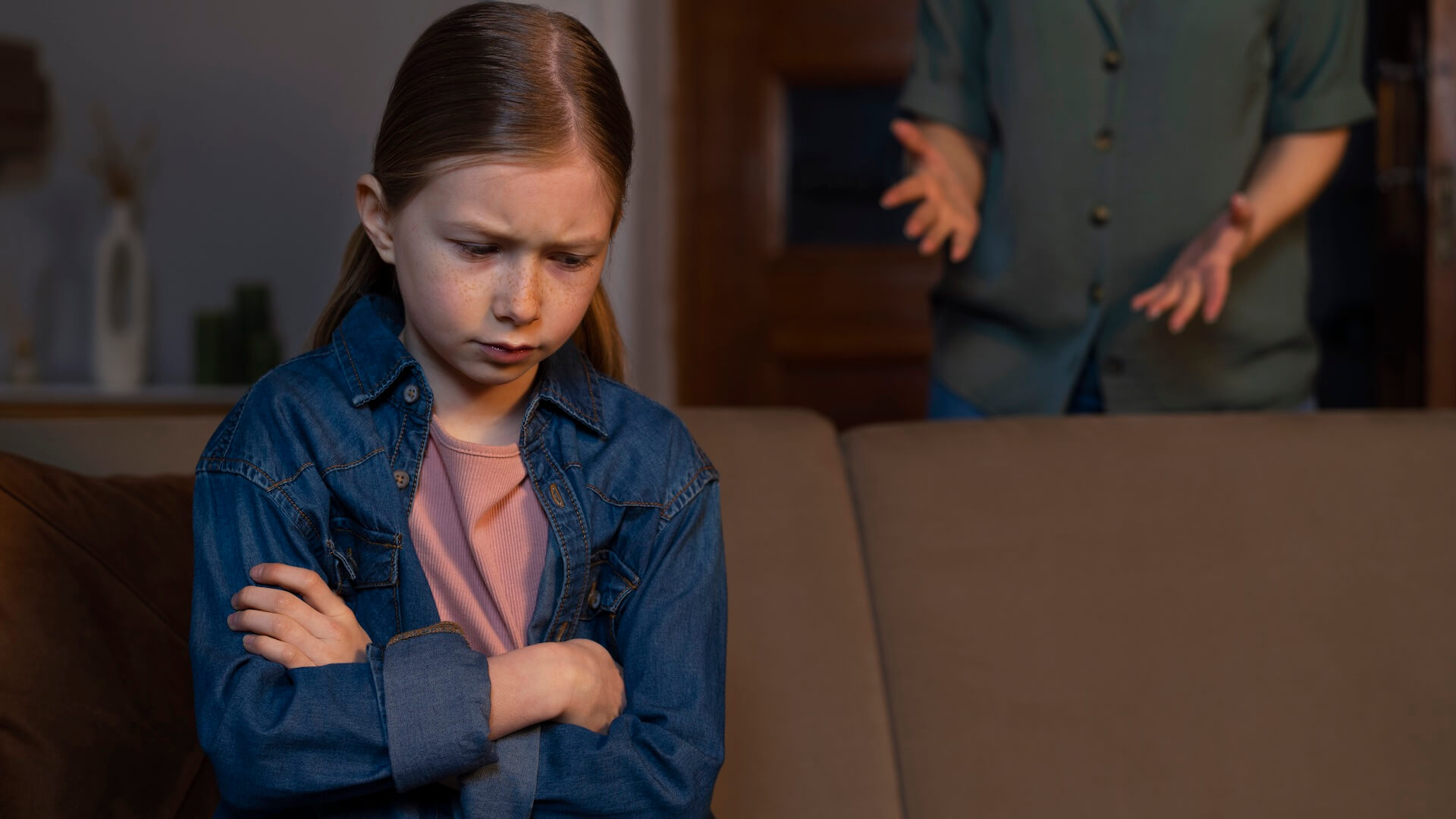
Although it is not a mental disorder but an expression of sexual diversity and personal freedom, non-consensual or unsafe scenarios can jeopardize the physical and mental health of participants. Here are some warning signs:
- Guilt or anxiety: if there is more emotional distress than pleasure after a sexual experience.
- Interference in daily life: if the practice turns into addiction or disrupts social and work life.
- Lack of consent: if one person feels pressure or manipulation to engage in sadomasochistic acts.
- Crossing boundaries: if pain or humiliation exceeds predetermined limits and the stop word is not respected.
- Deterioration of the relationship: in some cases, sadomasochistic dynamics can affect self-esteem or trust in the relationship.
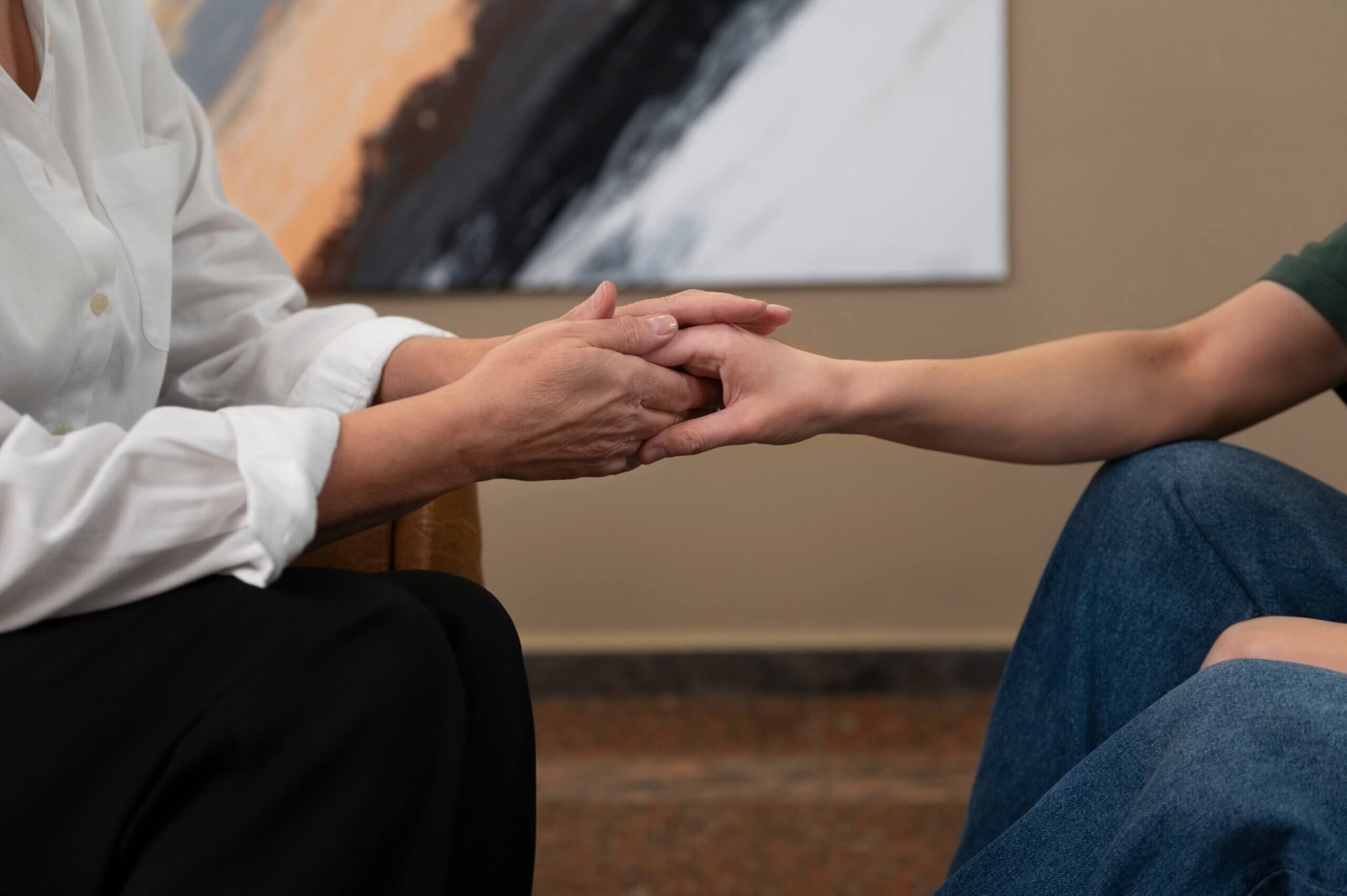
Sadomasochism is a preference that, when practiced consensually and respectfully, can enhance trust and intimacy between couples, rather than being a pathology within sexual diversity. However, if it causes discomfort, guilt, or anxiety, it is important to talk to your partner and seek professional support if necessary to protect your health.






































Comments
(1 Comment)