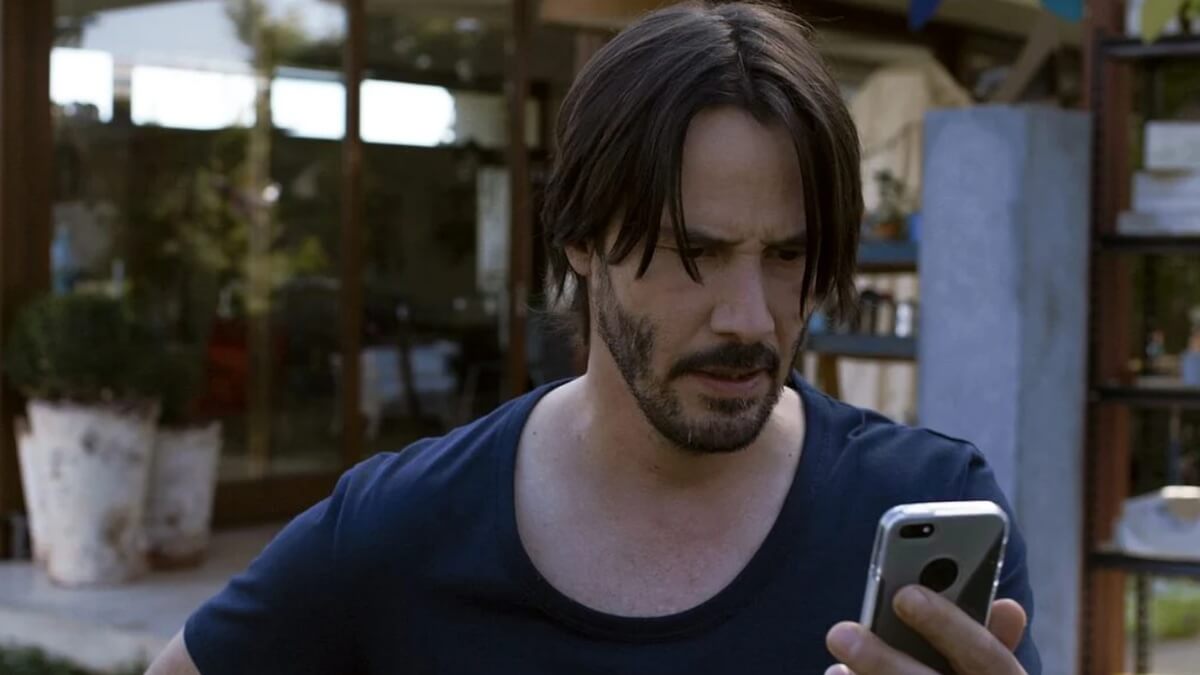
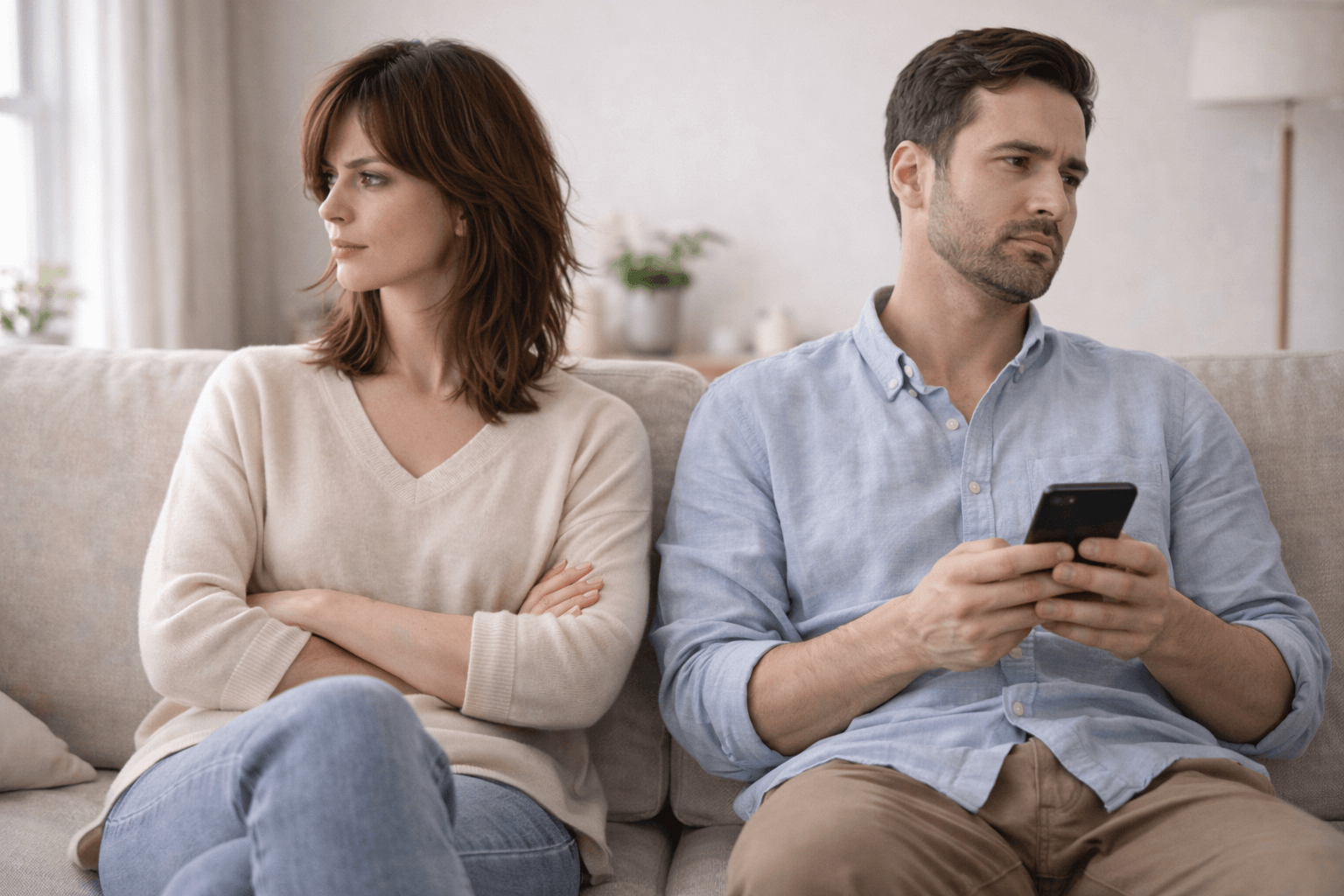
In an era where online sharing of life is almost mandatory, encountering someone without a social media account is truly surprising. The immediate questions that come to mind are: Asocial? Depressed? Or hiding something? These questions are quite natural in a world where being connected is seen as a necessity for participating in society.
So, could not having a social media account be a sign of loneliness, or a method of preserving mental health? Canadian actor and musician Keanu Reeves, who stays away from platforms like Instagram, Facebook, or X (formerly Twitter), raises this question. Let’s examine what it really means to be disconnected from these platforms.
Not Having a Social Media Account Does Not Mean Loneliness
Not having a social media account is often associated with isolation or being overly closed off. However, scientific evidence shows that the impact of social media on psychological well-being is not as direct as we think.
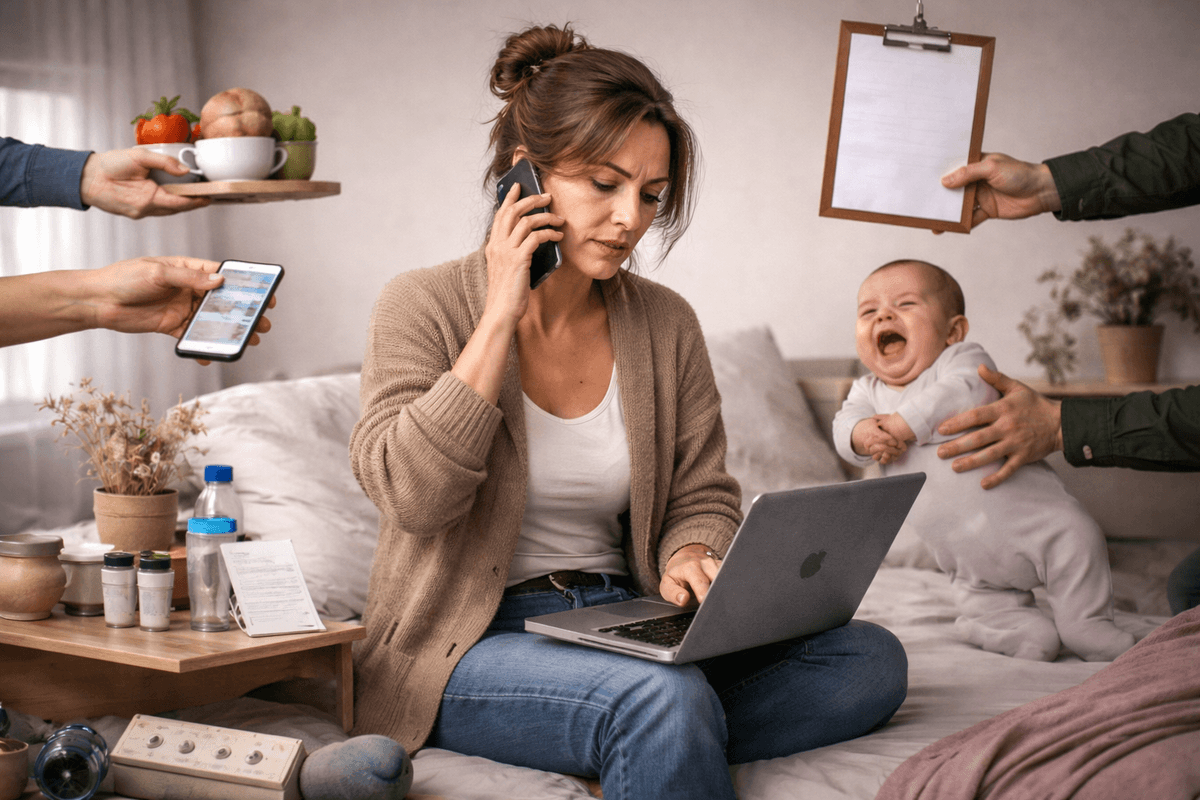
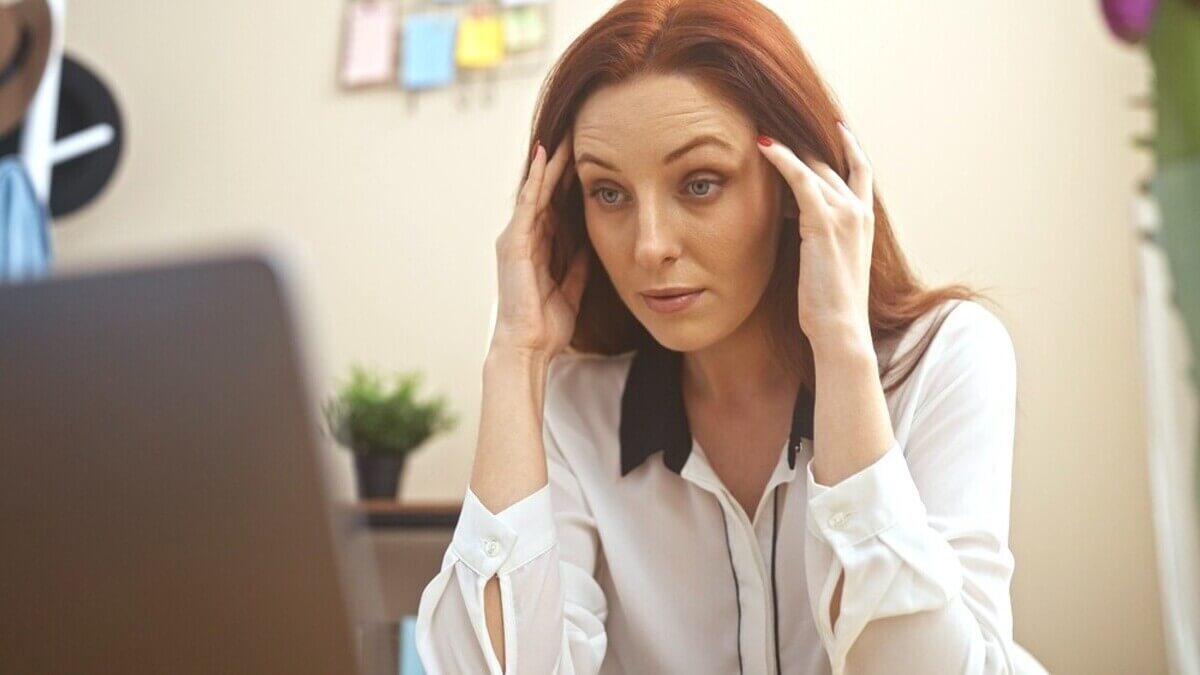
In fact, a study published in the IJARESM journal indicates that excessive use of these applications can increase levels of anxiety, depression, and stress, particularly among adolescents, due to constant comparison, pressure to appear “perfect,” and exposure to negative content.
On the other hand, staying away from social media can be a way to reduce emotional overstimulation, preserve self-esteem, and maintain mental health. However, it is important to distinguish between social isolation and voluntary digital isolation; in the latter case, many people without social media accounts lead active social lives, preferring traditional connection methods like phone calls.
A Decision Influenced by Age and Era
An important factor in understanding what it means not to have a social media account is age. Those who grew up before the digital age see social media as a complement, not a necessity. For many older individuals, their social lives were shaped before Facebook or WhatsApp and continue in that way.
Conversely, for younger people, staying away from Instagram or TikTok is perceived as isolating themselves. Here, the lack of social media is experienced as a countercultural act or a source of anxiety. However, an increasing number of young people prefer to reduce their online presence for privacy reasons.
In both cases, not having a social media account does not determine the level of social integration; rather, it represents ways of adapting to times and relating to the world.
FOMO: Fear of Missing Out
Moreover, FOMO (fear of missing out) is a psychological phenomenon that creates a sense of missing out on important things when not being on social media: the fear of missing anything from an event to a meme. Ultimately, it turns into anxiety about “staying current.” This is one of the strongest reasons millions of people are connected to social media.
Additionally, the need to check notifications, the number of “likes,” and the inability to live without capturing moments creates a hard-to-overcome addiction. Paradoxically, those who maintain distance gain benefits such as mental clarity, reduced comparison with others, and reconnection with their own life rhythms.
Why Is the Importance of Privacy Increasing in the Era of Hyperconnectivity?
In recent years, it has become increasingly evident that many people’s decision to give up social media has turned into a matter of belief. Examples like Reeves show that staying off the digital radar helps individuals preserve their essence. Without the obligation to showcase every aspect of their lives, an individual can live more consistently. And privacy, as a diminishing value, is becoming invaluable.
Not having a social media account is a way of taking care of oneself. By reducing constant comparison and digital noise, more space is created for deeper thoughts and connections. As you can see, not being on social media does not always mean loneliness; it can be a choice for well-being. The difference lies in whether we use these platforms for enjoyment or out of fear of missing out.

















Comments
(6 Comments)