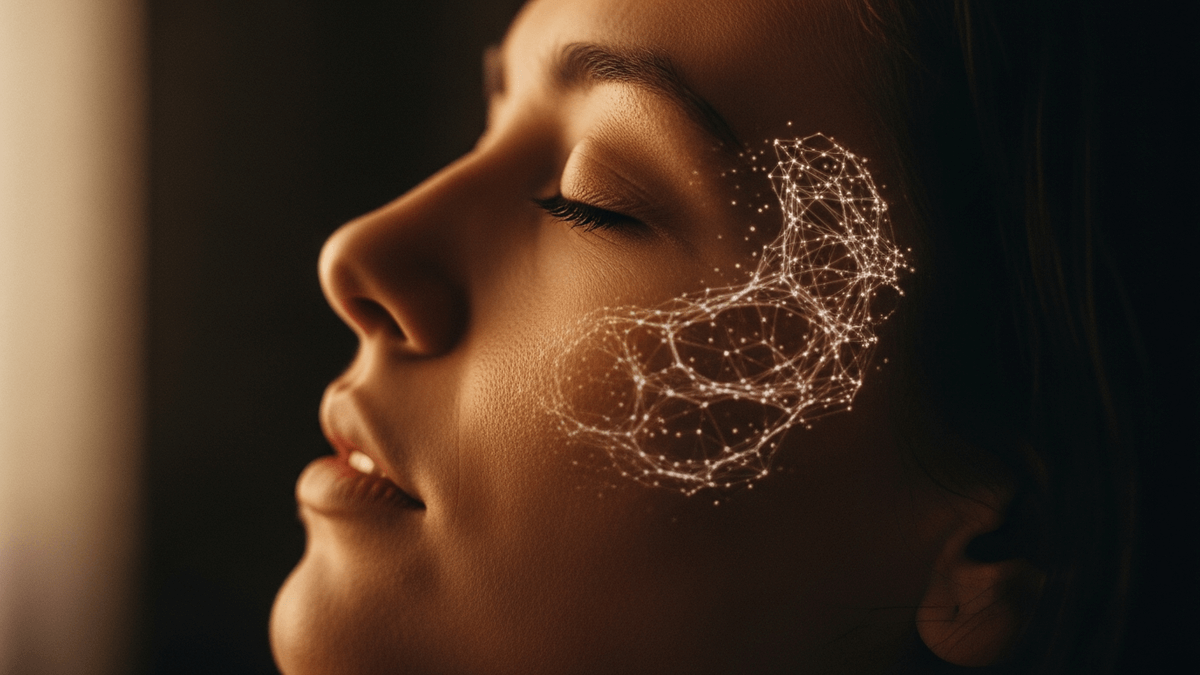
While artificial intelligence is making great strides in computational and logical abilities, the challenge of creating systems that understand human emotions is emerging. Paradoxically, the solution lies in the field of emotional intelligence; this discipline focuses on the deepest points of our nature.
This field, referred to as "emotional artificial intelligence," aims to enhance machines with the ability to interpret and respond to our emotions through voice analysis, facial expressions, and language. However, to teach a machine empathy, we first need to understand how humans construct it.
The Great Challenge of Artificial Intelligence: Decoding the Emotional Universe
Developing empathetic artificial intelligence systems requires something that algorithms alone cannot replicate. A machine can analyze data, but it currently cannot interpret the nuances of irony in a smile or the pauses in a conversation.
In this context, it is essential to deeply understand how we process what we feel and how we communicate. To design these new technologies, there is a need for individuals who understand communication patterns and emotional management.
This is where disciplines focusing on human behavior come into play; for example, fields like Neuro-Linguistic Programming (NLP) find unexpected value in this new context. Therefore, receiving training in emotional coaching and NLP can provide a solid foundation for those looking to specialize in this innovative field.
From Modeling the Human Mind to Inspiring Machines
There are now chatbots with a basic emotional understanding and more effective capabilities. Moreover, emotional artificial intelligence is transforming various sectors. For instance, in healthcare, systems are used to detect patients' emotions; in education, there are platforms that recognize students' frustrations; in customer service, tools that analyze tone of voice to enhance interactions are available.
However, there are certain elements that developers must consider to create an artificial intelligence that allows for more natural interactions:
- The nuances between what we say and how we say it
- The subtle signals related to empathy and connection with other people
- Communication patterns that reveal how we feel
- How we express emotions, whether verbal or non-verbal
These areas are exactly what NLP and Emotional Intelligence research.
The Human Factor: The Engine of Innovation
In addition to this knowledge, it is important to remember that for these technologies to understand our emotions, success depends on the development of multidisciplinary teams. In these teams, experts in human behavior need to collaborate with engineers and data scientists.
Therefore, future professionals will need to possess certain tools:
- The ability to translate ideas into technical teams
- The skill to design empathetic user experiences
- A deep understanding of how people communicate and how emotions affect our decisions
The irony of our time is clear. To make machines more human-like, we need people who truly understand what it means to be human more than ever. Emotional intelligence training is a key piece in building a future where artificial intelligence will genuinely serve us, rather than lagging behind technology.









































Comments
(2 Comments)