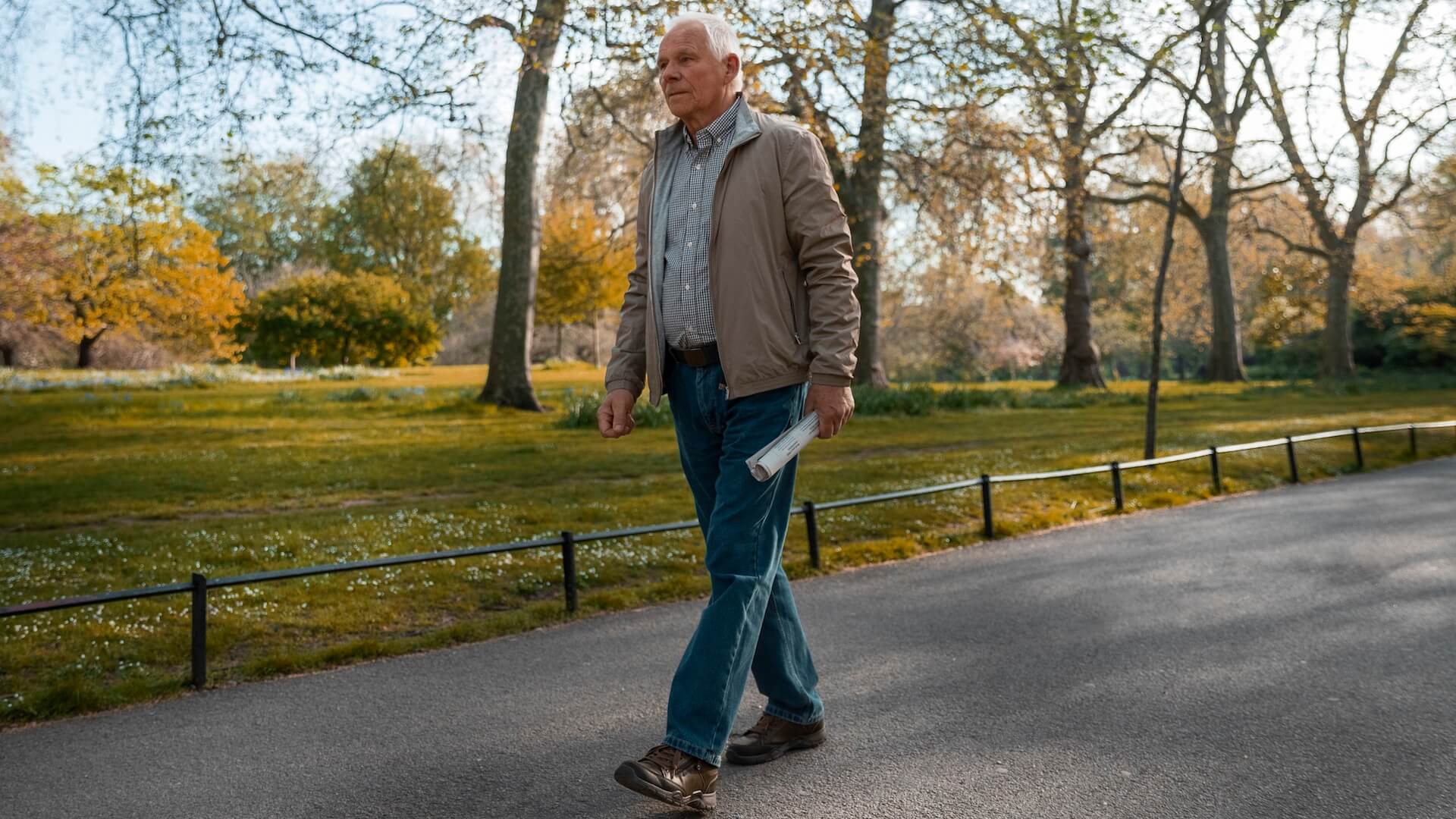
The way we move is both a habit and an overlooked situation. Sometimes we move quickly, almost without realizing it; at other times, we walk at a slow pace, as if we are carrying the weight of the world. So, why is this the case? What does walking slowly mean?
Research has confirmed that step speed is an indicator of elements such as personality, emotions, or physical condition. Below, we will explore how this movement can be interpreted and what it reveals about our personality, noting that these interpretations do not necessarily carry direct causality.
Walking Slowly May Be a Reflection of Ourselves
While walking slowly can be a conscious choice, a study published in GeroScience suggests that certain personality traits are related to our walking speed. For example, older individuals with high levels of neuroticism and introversion walk slowly because they may lose their energy to move quickly when they are constantly anxious.
On the other hand, according to popular psychology, more extroverted, open, and responsible individuals walk faster because they have more energy.
Another study in The Journals of Gerontology: Series B found that being regular, disciplined, and proactive is associated with faster walking. This means that those who walk quickly are more active and healthier; because over time, they do not lose their speed. In fact, there is evidence that more competitive, impatient, and ambitious individuals walk faster than those who are more relaxed.
The Rhythm of the Body is a Reflection of Emotions
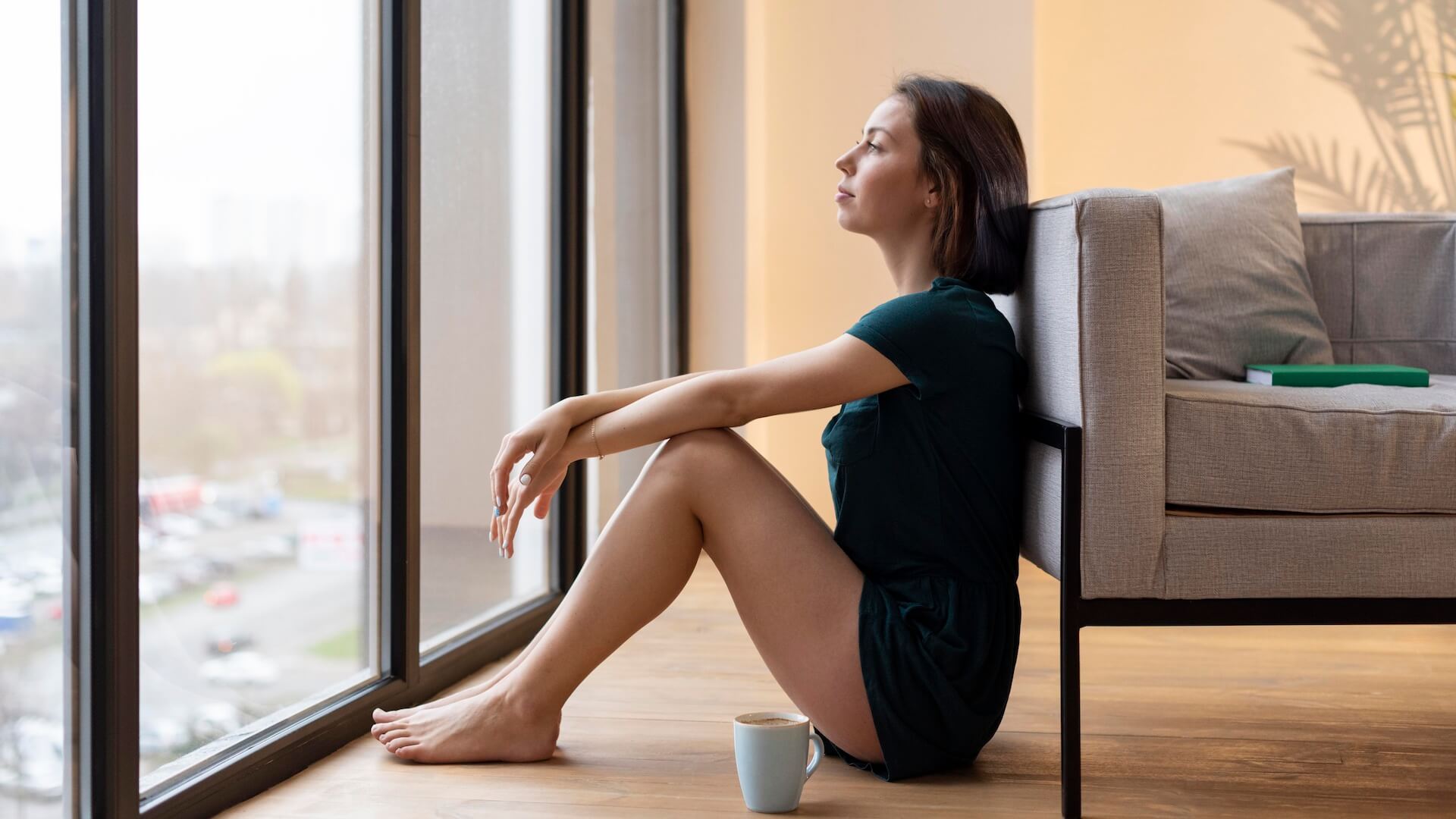
Psychologically, walking slowly is often associated with sadness or melancholy. In extreme cases, it may be linked to depression. The reason for this is that the body expresses the emotions the mind experiences through movement.
This behavior does not always signify weakness. Some therapies and artistic movements use it as a mindfulness exercise: walking slowly is an invitation to live in the present moment and reconnect with ourselves.
Walking Slowly May Indicate Illness or Functional Loss
In older individuals, walking slowly is often associated with loss of muscle mass and changes in the nervous system. This condition is linked to decreased quality of life, loss of independence, and increased risk of falls. Additionally, slowness in old age may stem from a lack of confidence in one’s own abilities or social isolation; this reminds us that our mood affects how we see the world and ourselves.
Now, in young and healthy individuals, this may stem from increased cognitive loads: maintaining balance, responding to stimuli, and correcting posture become more difficult when we walk out of rhythm; this may be a sign of mental overload or cognitive fatigue. This approach is still being researched, as it is not considered a clinical factor on its own.
Finally, walking slowly does not always mean laziness or weakness. It can also be a sign of calmness, introspection, or even depression. Therefore, before judging someone, ask yourself what they might be experiencing. When we understand what is going on in the background, we become more understanding.






































Comments
(6 Comments)